
Pennsylvania Elevator Testing Changes
Pennsylvania’s updated elevator regulations take effect December 20, 2026 and expand annual Category 1 testing requirements. The amended periodic-testing rule requires a construction code official to witness the required tests.

Why Fire Alarm Coordination Matters
Category 1 elevator testing addresses fire safety functions, including the fire service panel and fire alarm activation system. Where an elevator interfaces with the building’s fire alarm system, advance coordination helps the elevator contractor, inspector and fire alarm provider plan their respective work.
Merit Life Safety provides the fire alarm portion of coordinated testing, including activation and verification of applicable fire alarm interface functions within the agreed scope. Your elevator contractor and inspector determine the elevator test requirements and their responsibilities for your equipment.
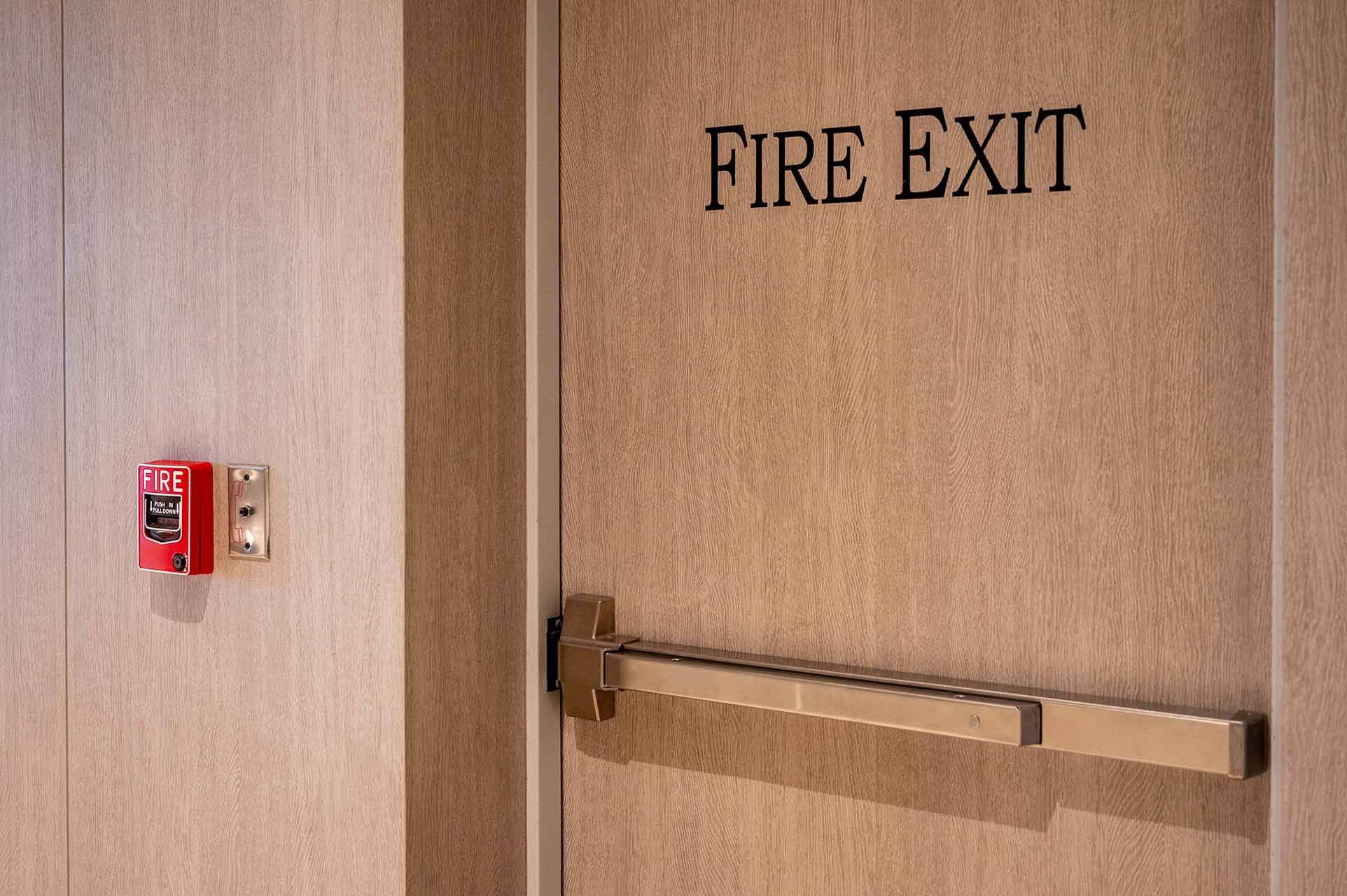
Plan Before the Test Date
Discuss the test scope, participating contractors, access and scheduling with your elevator provider and inspector. If fire alarm activation or interface testing is part of the visit, include your fire alarm service provider in those arrangements.

Discuss Elevator Test Coordination
Contact Merit Life Safety to discuss the fire alarm support needed for your property’s elevator test.
Frequently Asked Questions About Elevator Testing
Does every fire alarm inspection require an elevator inspector to be present?
The elevator rule addresses witnessed periodic elevator testing. A routine fire alarm inspection has its own scope. Where the work involves a required witnessed elevator test, coordinate the participating contractors and inspector for that test.
Must the witness be a state employee?
The regulation uses the term construction code official. Pennsylvania defines that role by certification; the term itself does not mean that the person must be a state employee. Confirm the authorized witness for your equipment with your elevator provider or the Department of Labor and Industry.